
Braces and Aligners for Adults: What to Expect

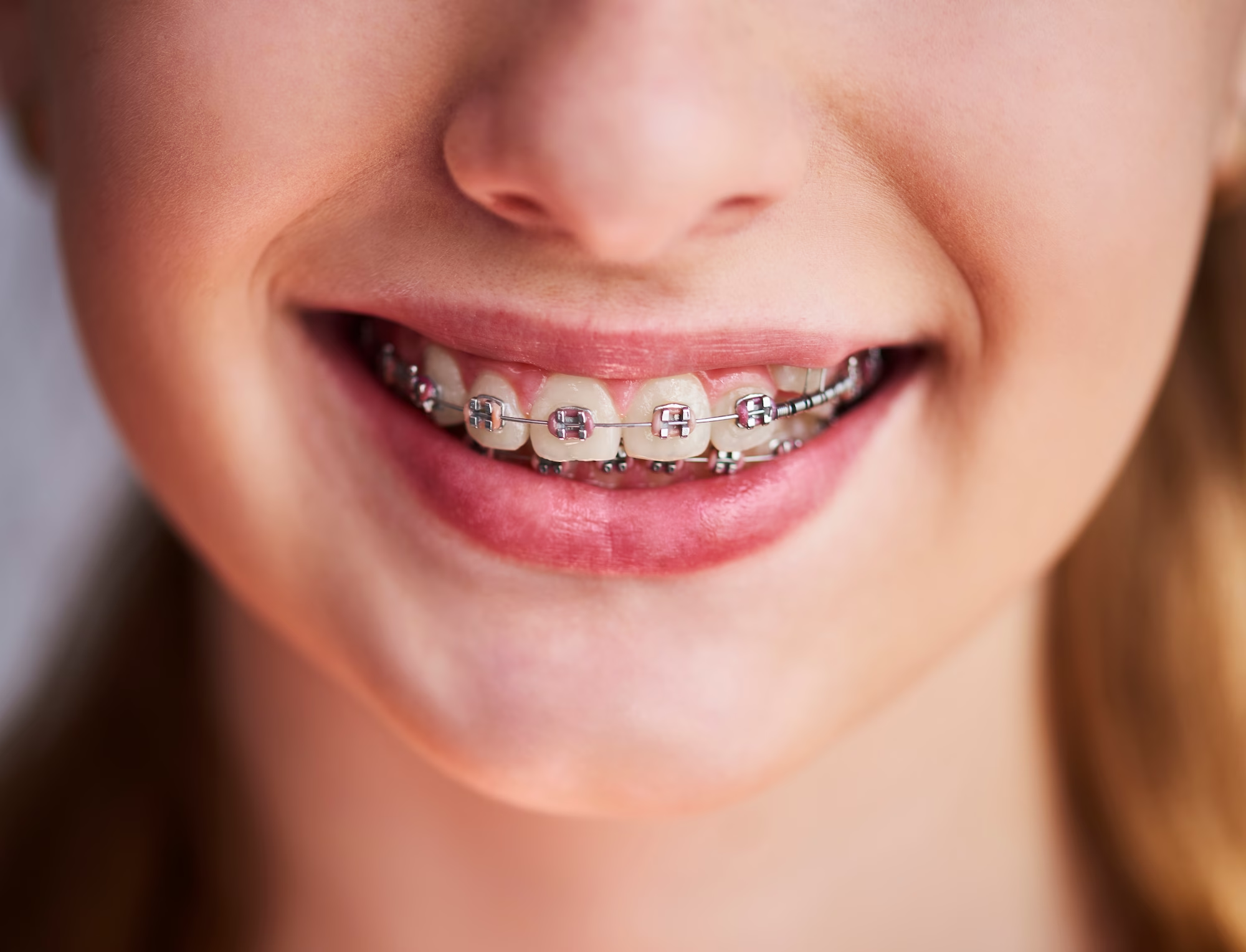
Plenty of adults assume orthodontic treatment is something you either did as a teenager or missed out on. It is not. Teeth can be moved at any age, and a good share of orthodontic patients today are adults who either never had treatment or had it decades ago and watched their teeth drift back.
Why Adults Come In
Teeth shifted after childhood braces. This is the most common reason. Without consistent retainer wear, teeth gradually move, often most visibly in the lower front.
Crowding that got worse over time. Teeth tend to crowd slightly with age, which can make cleaning harder and raise the risk of decay and gum problems.
A bite that causes trouble. An uneven bite can wear enamel unevenly, strain the jaw, or make certain teeth do more work than they should.
Preparing for other dental work. Sometimes teeth need to be repositioned before an implant, bridge, or veneers, so the final result fits properly.
What Is Different About Treating Adults
The mechanics of moving teeth are the same at any age, but adult treatment comes with a few differences worth knowing.
Adult bone is denser and no longer growing, so some corrections take longer than they would in a teenager, and certain jaw-related changes that can be guided during growth may need a different approach in an adult.
Existing dental work matters too. Crowns, bridges, implants, and fillings all affect how teeth can be moved. Implants in particular do not shift, so treatment has to be planned around them.
Gum health comes first. If there is active gum disease, that is treated before orthodontic treatment begins, since moving teeth through unhealthy bone can make things worse.
Your Options
Braces handle the widest range of cases, including significant crowding and bite correction. Ceramic brackets are less noticeable than metal.
Invisalign and clear aligners are removable and far less visible, which is why many adults prefer them. They require discipline: 20 to 22 hours of wear a day, every day.
6-Month Smiles focuses on the front teeth that show when you smile, rather than correcting the full bite.
Our orthodontists will tell you honestly which option suits your case, including when the more discreet choice would give a weaker result.
How Long It Takes
Most adult cases run somewhere between one and two and a half years, depending on how far teeth need to move. Shorter cosmetic cases can finish sooner. You will get an estimate at your consultation rather than a guess.
Retainers Are Not Optional
This is the part adults who had braces as teenagers already know the hard way. Teeth drift back without retention. Wearing your retainer as directed is what makes the result last, and we provide retainer repair if yours is damaged years later.
Frequently Asked Questions
Am I too old for braces or aligners?
No. Teeth can be moved at any age as long as the gums and supporting bone are healthy. Your orthodontist will check both at your consultation.
Will treatment affect my existing crowns or implants?
Crowns and bridges can usually be worked around. Implants do not move, so treatment is planned with their position in mind. Bring up any existing dental work at your first visit.
Does orthodontic treatment for adults hurt?
Expect some soreness for a few days after braces are placed or when switching to a new aligner. It usually settles quickly and responds to over-the-counter pain relief.

Start With a Consultation
A consultation gives you a clear picture of what treatment would involve, how long it would take, and what it would cost, with no obligation to begin. Schnierow Dental Care has two orthodontists on staff, so evaluation and treatment happen in the same Hawthorne office where you already see your dentist. Request an appointment to get started.


Phone


Office Info
- Open Late & Saturdays
- Se habla español
