
Thumb Sucking and Pacifiers: When to Worry About Your Child's Teeth

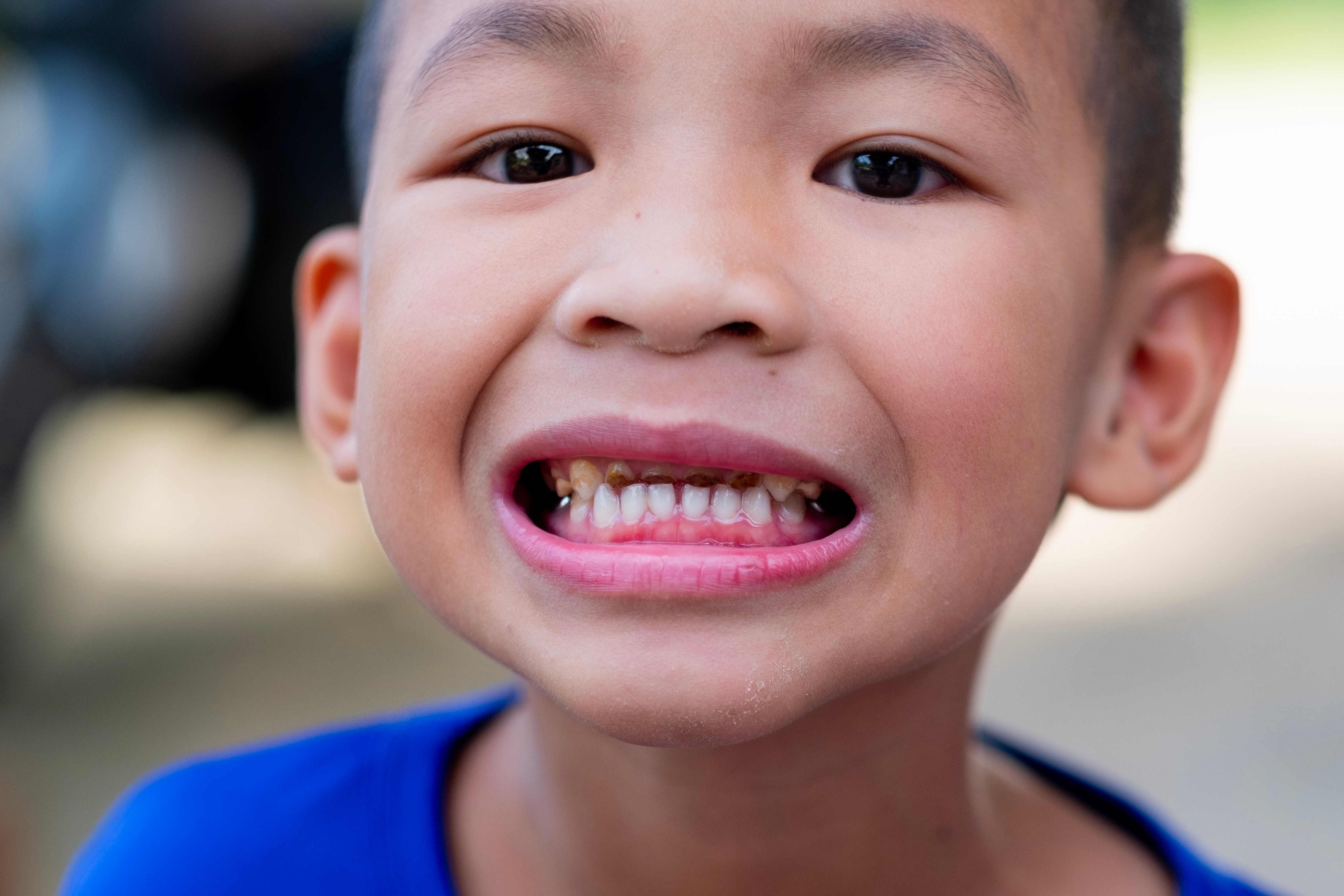
Sucking is a natural reflex. Babies do it for comfort long before they have teeth, and most children give it up on their own somewhere between ages two and four. For the ones who do not, the habit can start to shape how the teeth and jaw develop. Here is what actually matters and when it is worth raising with a dentist.
When It Stops Being Harmless
The usual guidance is that thumb sucking and pacifier use are not a concern while a child still has only baby teeth. The picture changes once permanent teeth start coming in, generally around age six.
Two things determine how much effect a habit has: how long it goes on, and how intense it is. A child who rests a thumb passively in the mouth is far less likely to see changes than one who sucks vigorously.
What to Watch For
- Front teeth that angle outward, or a gap between the upper and lower front teeth when the back teeth are closed
- Upper teeth that bite outside the lower ones more than they should
- Changes in speech, particularly with s and th sounds
- A callus or irritation on the thumb or finger
- Mouth breathing or a tongue that pushes forward when swallowing
If you are seeing any of these, mention it at your child's next visit. Many of these changes can correct themselves once the habit stops, especially if it stops early.
Pacifiers Versus Thumbs
Both can affect developing teeth in similar ways, but pacifiers have one practical advantage: you can take them away. A thumb is always available, which is why thumb habits often last longer and can be harder to break.
If your child uses a pacifier, the usual advice is to begin phasing it out before age two and to avoid dipping it in anything sweet.
Helping a Child Stop
Pressure and punishment tend to backfire, since sucking is usually a self-soothing habit and stress makes it stronger. What tends to work better:
- Notice when it happens. Tiredness, boredom, and anxiety are common triggers. Addressing the trigger often does more than addressing the habit.
- Praise the stretches without it. Positive attention for going without works better than correction for doing it.
- Use a simple reward chart. Marking successful days gives an older child something concrete to aim at.
- Give a substitute for comfort. A blanket or stuffed animal can fill the same role at bedtime.
- Let the dentist mention it. Hearing it from someone outside the family sometimes lands differently. We are glad to have that conversation gently at a visit.
For habits that persist past the point where permanent teeth are coming in, a dentist can discuss other options, including appliances that make sucking less satisfying.
Where Orthodontics Fits
If a long-running habit has already affected how teeth are coming in, an early orthodontic evaluation is worth having. The American Association of Orthodontists recommends a first check by age 7, which is also when habit-related changes tend to become visible. Our orthodontists work in the same office as our pediatric dentists, so an evaluation does not mean going somewhere else.
Frequently Asked Questions
At what age should thumb sucking stop?
Most children stop on their own between ages two and four. It becomes more of a concern if it continues once permanent teeth start coming in, generally around age six.
Will my child's teeth fix themselves after the habit stops?
Often, yes, particularly if the habit stops before the permanent front teeth are fully in. Your dentist can tell you whether the changes are likely to correct on their own.
Are pacifiers better or worse than thumb sucking?
They affect teeth in similar ways, but a pacifier can be taken away, which usually makes the habit easier to end. Phasing it out before age two is the common recommendation.

Bring It Up at Your Child's Next Visit
If you are unsure whether a habit is affecting your child's teeth, a routine checkup is the easiest place to find out. Our pediatric team sees children from the first tooth through the teen years, accepts Medi-Cal Dental and PPO plans, and offers Saturday appointments. Request an appointment and mention what you have noticed so we can take a look.


Phone


Office Info
- Open Late & Saturdays
- Se habla español
