
Do Your Wisdom Teeth Need to Come Out? Signs, Timing, and Recovery

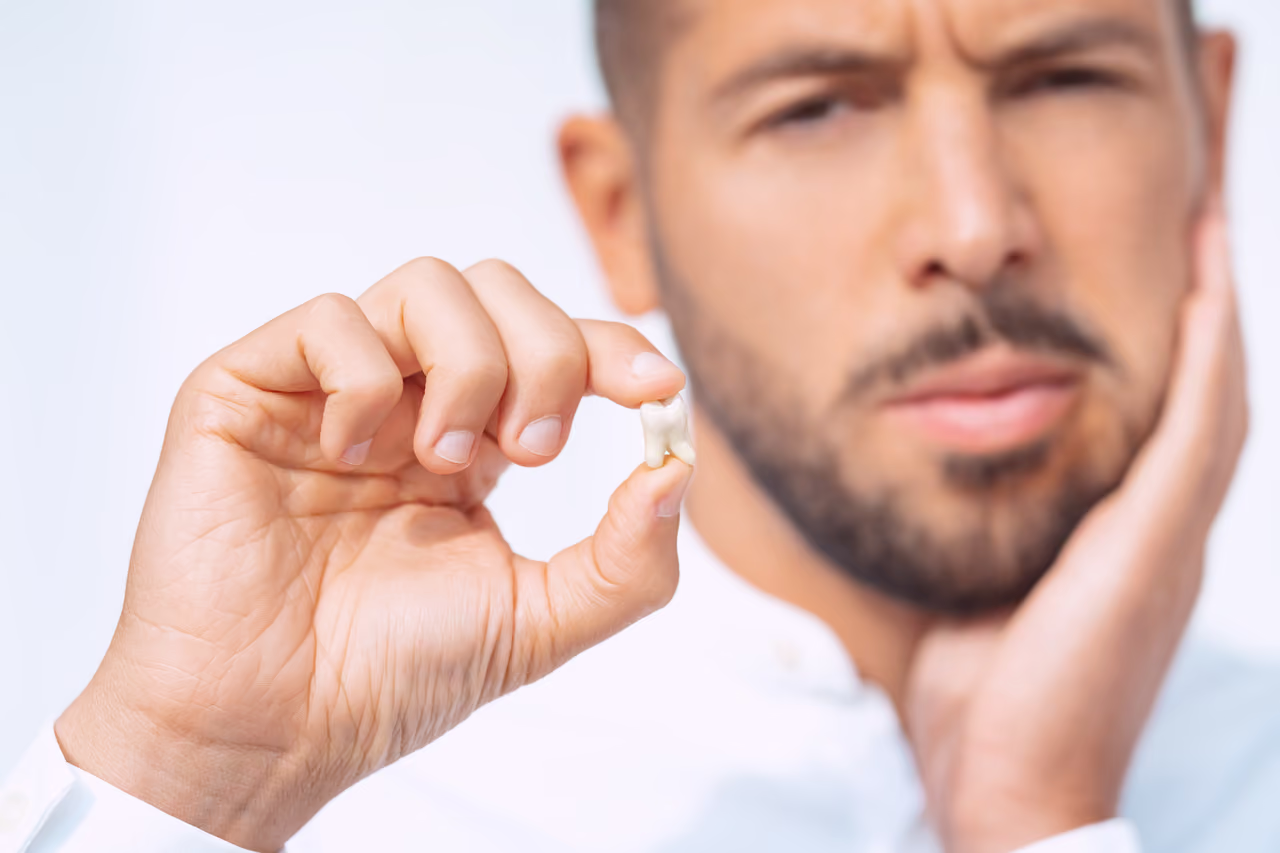
Wisdom teeth are the third and final set of molars, and they usually show up between the late teens and mid-twenties. For some people they come in straight and cause no trouble at all. For many others, there simply is not enough room at the back of the jaw, and that is when problems start. Here is how to tell the difference and what to expect if removal is the right call.
Signs Your Wisdom Teeth Are Causing Trouble
- Pain or pressure at the back of the jaw, sometimes spreading toward the ear
- Swollen, tender, or bleeding gums behind the last molar
- A partially visible tooth with a flap of gum over it, where food and bacteria get trapped
- A bad taste or bad breath that brushing does not fix
- Jaw stiffness or difficulty opening your mouth fully
- Crowding or new shifting in the teeth in front of them
Some problems cause no symptoms at all. A tooth trapped under the gum can damage the roots of the neighboring molar or form a cyst, and the only way to see that is on an X-ray.
Not Every Wisdom Tooth Has to Go
A wisdom tooth that has fully erupted, sits in a healthy position, bites properly against the opposite tooth, and can be cleaned well may be fine to keep. The decision depends on position, root development, and the health of the surrounding gum and bone. Regular checkups let your dentist track how they are developing rather than guessing.
Why Timing Matters
Dentists often recommend evaluating wisdom teeth in the late teens. At that age the roots are not fully formed and the surrounding bone is softer, which typically makes removal simpler and healing faster. Waiting until a tooth becomes infected or painful can turn a planned procedure into an urgent one. If you are already dealing with swelling or severe pain, same-day emergency care is available.
What Happens During Removal
A tooth that has fully come in can often be removed like any other tooth extraction. Impacted teeth that sit below the gum or at an angle need a surgical approach, which is handled through our oral surgery team. Local anesthesia numbs the area, and sedation is available for patients who would rather be more relaxed. Many people have all four removed in one visit.
Recovery: What the First Week Looks Like
The first day: Bite gently on gauze to control bleeding, rest with your head slightly raised, and use a cold compress on the outside of the cheek.
Days two and three: Swelling usually peaks here before it starts to go down. Stick with soft, cool foods such as yogurt, smoothies eaten with a spoon, mashed potatoes, and soup that is not too hot.
The rest of the week: Most people feel close to normal within several days. Gentle warm salt water rinses after the first 24 hours help keep the area clean.
Protecting the Healing Site
For the first several days, skip straws, smoking, and vigorous spitting. Suction can dislodge the blood clot that forms in the socket and lead to dry socket, a painful condition that typically shows up two to four days after surgery as throbbing pain that gets worse instead of better. If that happens, call the office so the site can be treated. Some patients are also candidates for platelet-rich plasma (PRP), which uses components of your own blood to support healing.
Frequently Asked Questions
At what age should wisdom teeth be checked?
Dentists often recommend an evaluation in the late teens, when the roots are not fully formed and removal is typically simpler.
Do all wisdom teeth need to be removed?
No. A wisdom tooth that has fully erupted, sits in a healthy position, and can be cleaned well may be fine to keep.
How long does wisdom tooth recovery take?
Most people feel close to normal within several days. Swelling usually peaks on days two and three before it starts to go down.

Not Sure If Yours Need to Come Out?
A quick exam and X-ray answer the question in one visit. Schnierow Dental Care has an oral surgeon on staff, so evaluation, removal, and follow-up all happen in the same Hawthorne office. Learn more on our wisdom teeth removal page, or bring your questions to your next checkup.


Phone


Office Info
- Open Late & Saturdays
- Se habla español
