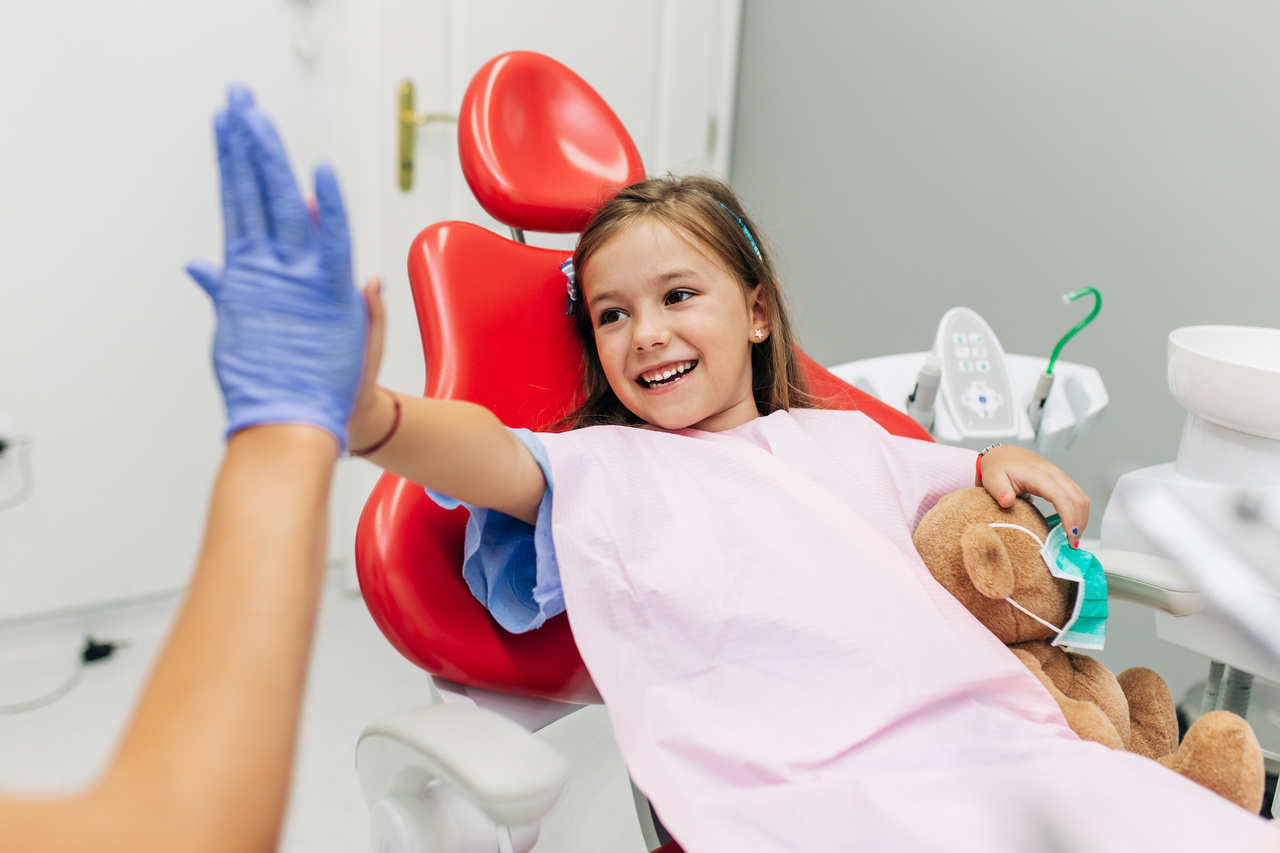
A first dental visit is a milestone that many parents put off longer than they need to, often because they are not sure when it should happen or worry their child will be scared. The good news is that a first visit is short, gentle, and mostly about getting to know each other. Here is what to expect and how to make it easy.
When to Schedule It
Book the first visit by your child's first birthday, or within six months of the first tooth appearing, whichever comes first. That timing comes from the American Academy of Pediatric Dentistry. It surprises many parents, since a one-year-old may have only a few teeth, but decay can start as soon as teeth arrive.
Why Start So Early
Early visits are about prevention rather than treatment. They give the dentist a chance to spot early signs of decay, check that teeth and jaws are developing normally, and coach parents on habits that protect baby teeth, such as bedtime bottles, pacifiers, and thumb sucking. Children who start young also tend to see the dentist as a normal part of life rather than something to dread.
What Happens During the Visit
For babies and toddlers, the exam is often done with your child sitting on your lap. The dentist counts teeth, checks the gums and bite, and looks for any spots of early decay. Depending on age, the visit may include a gentle cleaning and a quick coat of fluoride to strengthen enamel.
Most of the visit is a conversation. Expect to talk about brushing, how much toothpaste to use, diet and snacks, teething, and when to schedule the next checkup. Bring any questions you have, no matter how small.
How to Help Your Child Feel Ready
- Keep the talk positive and simple. Explain that the dentist will count their teeth and make sure they are healthy.
- Skip scary words. Avoid words like hurt, shot, or pain, even to promise that something will not happen.
- Read or play pretend. A picture book about the dentist, or taking turns counting each other's teeth, makes the idea familiar.
- Pick the right time. Morning appointments, or times after a nap, usually go best for young children.
- Stay calm yourself. Kids take their cues from parents, so a relaxed tone goes a long way.
What to Bring
Bring your insurance card or Medi-Cal card, a list of any medications or health conditions, and a favorite toy or blanket if it helps your child feel settled. If your child was born early or has special health needs, mention it when you book so the team can plan.
After the First Visit
Most children return every six months for checkups and cleanings. As more teeth come in, the dentist may recommend sealants on the back molars and, around age 7, an orthodontic evaluation to check how the bite is developing.
Frequently Asked Questions
When should my child have their first dental visit?
By the first birthday, or within six months of the first tooth appearing, whichever comes first.
What happens at a baby's first dental visit?
The dentist counts teeth, checks the gums and bite, looks for early signs of decay, and talks with parents about brushing, diet, and habits. Many young children sit on a parent's lap for the exam.
Does Medi-Cal cover a child's first dental visit?
Medi-Cal Dental covers checkups for children, and Schnierow Dental Care accepts Medi-Cal Dental along with all PPO plans.